Why Sleep Matters
Sleep is one of the most powerful — and underrated — tools for maintaining emotional, physical, and mental wellbeing. It’s as vital as food, water, and oxygen, yet many of us treat it as optional. In a world filled with screens, caffeine, and endless to-do lists, sleep often becomes the first thing we sacrifice — and our health pays the price.
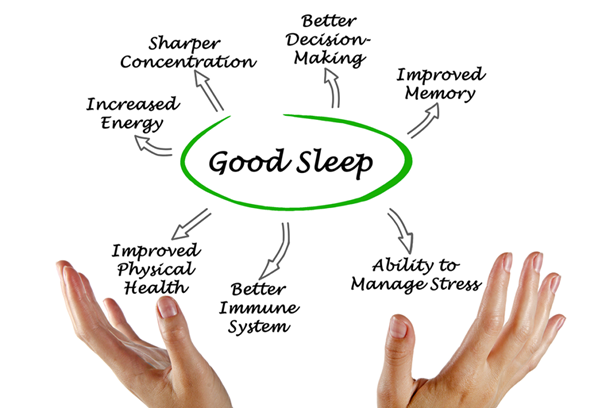
Quality sleep is essential for:
- Emotional regulation: When we’re well-rested, we’re better able to manage stress, anxiety, and mood fluctuations.
- Memory and learning: Sleep consolidates memories and helps with decision-making and problem-solving.
- Physical health: It supports immune function, metabolism, and cardiovascular health.
- Energy and focus: Even small sleep deficits can impair attention, creativity, and productivity.
Research shows that adults who consistently sleep fewer than seven hours a night are more likely to experience depression, anxiety, and chronic health conditions (Walker, 2017; CDC, 2022).
The Connection Between Sleep and Mental Health
Poor sleep can both cause and worsen mental health issues. Anxiety and trauma often disrupt sleep patterns, while insomnia can heighten feelings of irritability, hopelessness, and emotional sensitivity.
For those healing from trauma — including clients supported through NSW Victims Services — restorative sleep is especially important for nervous system regulation and recovery. Sleep is when the brain processes emotional memories and restores balance to stress hormones like cortisol.
At Compass Counselling, we often see that improving sleep quality can significantly enhance clients’ ability to cope with emotional stress, make clearer decisions, and engage more fully in their healing journey.
Practical Tips for Better Sleep
🕰 1. Keep a Consistent Routine
Go to bed and wake up at the same time every day — even on weekends. This helps regulate your body’s internal clock (circadian rhythm).
📱 2. Limit Screen Time
The blue light from phones and computers suppresses melatonin, the hormone that helps you sleep. Try turning off screens an hour before bed or using a blue light filter.
🕯 3. Create a Relaxing Bedtime Ritual
Gentle stretching, meditation, Qigong, or listening to calming music can signal to your body that it’s time to unwind. Avoid stimulating activities such as checking emails or social media.
☕ 4. Watch Your Caffeine and Alcohol
Caffeine can linger in your system for up to 8 hours, and while alcohol might make you sleepy initially, it disrupts deep sleep cycles later in the night.
🌿 5. Make Your Sleep Environment Peaceful
Keep your room dark, cool, and quiet. Use essential oils like lavender, or try guided meditations to promote relaxation.
📔 6. Keep a Gratitude or Worry Journal
If your mind races at night, try writing down your worries or things you’re grateful for. This helps clear mental clutter before bed.
🧘♀️ 7. Try Mind-Body Techniques
Breathing exercises, progressive muscle relaxation, or grounding visualisations can reduce anxiety and calm the nervous system.
When to Seek Help
If sleep problems persist despite lifestyle changes, it may be time to seek professional support. Chronic insomnia, nightmares, or disrupted sleep linked to trauma can benefit from counselling and trauma-informed therapies. Energy healing such as the Body Code can also assist by removing energetic blockages, including trapped emotions, that are stopping you from a restful sleep. If you would like to book in for energy healing please book in with Michele at: Book Appointment – Compass Counselling.
Both Michele and Kitty are approved NSW Victims Services counsellors and can help you explore practical and emotional pathways toward better rest and recovery.
Final Thoughts
Improving your sleep is not about perfection — it’s about creating small, sustainable habits that support your body’s natural rhythm. When you prioritise sleep, you give your mind and body the chance to recharge, heal, and thrive.
If you’d like to explore this further, you can book a session with us or look through our growing library of free resources for additional support. Please contact us to find out more about our services: Contact Us – Compass Counselling. If you’d like personalised support for improving your sleep, stress, or emotional wellbeing, reach out to book a free 30-minute breakthrough call at
👉 www.compasscounselling.com.au
References
- American Psychological Association. (2021). Sleep and mental health. Retrieved from www.apa.org
- Centers for Disease Control and Prevention (CDC). (2022). Sleep and chronic disease. Retrieved from www.cdc.gov
- Harvard Health Publishing. (2020). Sleep and mental health: Understanding the connection.
- National Sleep Foundation. (2023). How much sleep do we really need? Retrieved from www.sleepfoundation.org
- Walker, M. (2017). Why We Sleep: Unlocking the Power of Sleep and Dreams. Scribner.