

Forgiveness is often regarded as a virtue, but beyond its moral implications, science reveals that it has profound effects on physical and emotional health. When individuals hold onto resentment, anger, or grief, their nervous system, immune system, and overall well-being suffer. The good news is that energy psychology, intuitive healing, and modalities like the Emotion Code provide powerful pathways to releasing these emotional burdens, fostering both physical and mental healing. Additionally, mindfulness and meditation offer practical ways to cultivate inner peace and promote emotional resilience.
The Impact of Unforgiveness on Health
Stress and the Nervous System
Unforgiveness keeps the body in a state of heightened stress. When we dwell on past wrongs, our sympathetic nervous system (SNS) is activated, leading to a chronic “fight-or-flight” response. This state increases the production of stress hormones like cortisol and adrenaline, which, when prolonged, can contribute to:
- Increased blood pressure
- Higher risk of heart disease
- Impaired immune function
- Chronic pain and inflammation
- Sleep disturbances
Neuroscientific research suggests that harbouring grudges keeps the amygdala—our brain’s fear centre—hyperactive, making it difficult to process emotions rationally. This not only affects mental health, contributing to anxiety and depression, but also has a cascading impact on overall bodily functions.
The Emotional and Energetic Toll
Resentment and anger are not just fleeting emotions; they store themselves in the body as energetic imprints. According to energy psychology, unresolved emotional trauma can lead to blockages in the body’s energy flow, manifesting as:
- Chronic fatigue
- Tension headaches
- Digestive issues
- Unexplained aches and pains
- Autoimmune conditions
These emotional burdens can also affect relationships, reducing one’s ability to experience joy, love, and meaningful connections.
How Energy Psychology, the Emotion Code, and Intuitive Healing can help
Energy Psychology: Rewiring the Mind and Body
Energy psychology techniques, such as the Emotion Code and Intuitive Healing help individuals release trapped emotions, recalibrate their nervous system, and reframe their mindset toward forgiveness.
The Emotion Code: Releasing Trapped Emotions
The Emotion Code, developed by Dr. Bradley Nelson, is another powerful modality for forgiveness and emotional healing. It operates on the premise that emotional traumas become “trapped” in the body’s energy field. These trapped emotions disrupt the body’s energy balance, contributing to physical and emotional distress.
Using muscle testing and intention, the Emotion Code helps identify and release these emotional blockages. Once released, individuals often experience:
- Reduced physical pain
- Greater emotional clarity
- Improved relationships
- Enhanced overall well-being
Intuitive Healing: Aligning Mind, Body, and Spirit
Intuitive healing involves tuning into the body’s energy field and using insight to release emotional blockages. Practitioners use a combination of guided visualization, hands-on energy healing, and subconscious reprogramming to facilitate deep emotional release. This method can help individuals:
- Identify and clear energetic imbalances
- Gain clarity on emotional patterns
- Strengthen their connection to inner wisdom
- Cultivate self-compassion and healing
The Role of Mindfulness and Meditation in Forgiveness
Mindfulness: Cultivating Awareness and Acceptance
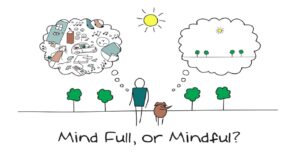
Mindfulness is the practice of being fully present in the moment without judgment. When applied to forgiveness, mindfulness allows individuals to acknowledge their emotions without becoming consumed by them. By practicing non-attachment to painful memories, one can:
- Reduce rumination and negative thought patterns
- Decrease stress and emotional reactivity
- Improve emotional resilience
- Enhance self-compassion and empathy for others
Regular mindfulness practices, such as mindful breathing and body scans, can help individuals shift their perspective and let go of emotional burdens more easily.
Meditation: Rewiring the Brain for Forgiveness
Meditation has been scientifically proven to reshape neural pathways in ways that promote emotional healing and resilience. Specific types of meditation that aid in forgiveness include:
- Loving-kindness meditation (Metta): This involves sending thoughts of love and compassion to oneself and others, including those who have caused harm.
- Guided forgiveness meditation: This practice encourages individuals to visualize letting go of resentment and replacing it with understanding and peace.
- Breathwork meditation: Focusing on deep, controlled breathing can calm the nervous system and create a sense of inner stability, making forgiveness more accessible.
Studies show that regular meditation lowers cortisol levels, reduces activity in the amygdala, and enhances the brain’s ability to regulate emotions, making it an effective tool for fostering forgiveness and emotional freedom.
The Path to Forgiveness
Healing from past wounds requires conscious effort and the right tools. While traditional methods like therapy and journaling can be effective, energy psychology, the Emotion Code, intuitive healing, mindfulness, and meditation offer an accelerated path to emotional freedom. By addressing both the conscious mind and subconscious energetic patterns, these techniques pave the way for true and lasting forgiveness.
Ultimately, forgiveness is not about condoning past wrongs but freeing oneself from their weight. The ability to let go fosters resilience, peace, and vitality—key components of a fulfilling life.
Michele is a qualified Intuitive Healing practitioner and also a qualified Emotion Code practitioner. If you would like more information about these practices please look at our website and in our free resources: Free Resources, or if you would like to book an appointment please book here: Book Appointment – Compass Counselling. For any questions, please contact Michele at: michele@compasscounselling.com.au.
References
- Brown, R. P. (2003). Measuring individual differences in the tendency to forgive: Construct validity and links with depression. Personality and Social Psychology Bulletin, 29(6), 759-771.
- Chopra, D. (2000). The path to love: Spiritual lessons for creating the love you need. Harmony.
- Luskin, F. (2002). Forgive for good: A proven prescription for health and happiness. HarperOne.
- Myss, C. (1996). Anatomy of the Spirit: The seven stages of power and healing. Harmony.
- Nelson, B. (2007). The Emotion Code: How to release your trapped emotions for abundant health, love, and happiness. Discover Healing.
- Porges, S. W. (2011). The polyvagal theory: Neurophysiological foundations of emotions, attachment, communication, and self-regulation. W. W. Norton & Company.
- Sapolsky, R. M. (2004). Why zebras don’t get ulcers: The acclaimed guide to stress, stress-related diseases, and coping. Holt Paperbacks.
- Siegel, D. J. (2010). The mindful therapist: A clinician’s guide to mindsight and neural integration. W. W. Norton & Company.