

Why can’t I stop thinking about someone, even when I know the relationship isn’t right for me?
Have you ever found yourself constantly thinking about someone, checking your phone to see whether they’ve messaged, replaying conversations in your head, or analysing every little interaction for signs that they might feel the same way? Perhaps you experience an incredible emotional high when they give you attention, followed by anxiety, sadness or even despair when they pull away.
You may know logically that the relationship isn’t healthy, that the person is unavailable, or that your feelings aren’t being reciprocated. Yet, despite this awareness, you find yourself unable to let go. If this sounds familiar, you may be experiencing something called limerence.
Limerence can feel like falling deeply in love, but it often involves intense emotional preoccupation, idealisation, uncertainty and a powerful longing to be wanted by another person. For some people, it can become so consuming that it affects their sleep, concentration, self-esteem, relationships and everyday wellbeing.
The encouraging news is that these patterns can change. By understanding what is happening emotionally and psychologically, you can begin to regain control of your thoughts, reconnect with yourself and develop healthier ways of relating to others.
What Is Limerence?
The term limerence was introduced by psychologist Dorothy Tennov in her 1979 book Love and Limerence: The Experience of Being in Love.
Tennov used the term to describe an intense, often involuntary state of romantic attraction characterised by obsessive thinking, emotional dependency and a strong desire for reciprocation. The person who becomes the focus of these feelings is sometimes referred to as the limerent object, or LO. Unlike a healthy romantic connection, where affection develops alongside trust, mutual respect and genuine knowledge of another person, limerence can be driven by uncertainty, longing and an idealised image of who someone is.
You may feel deeply connected to the person even when you don’t know them particularly well. You might also become attached to their potential — who you hope they could become or what you imagine a future relationship might look like — rather than the reality of the relationship. Importantly, limerence is not itself a formal mental health diagnosis. It is a term used to describe a particular pattern of romantic preoccupation that can range from relatively mild to extremely distressing.
Signs You May Be Experiencing Limerence
Although everyone’s experience is different, some common signs include:
- Intrusive thoughts: Constantly thinking about the person, even when you’re trying to focus on other things.
- Emotional highs and lows: Feeling euphoric when they show interest and devastated when they seem distant.
- Idealisation: Focusing on their positive qualities while overlooking incompatibilities, unhealthy behaviour or warning signs.
- Constant checking: Repeatedly looking at their social media, online status or messages.
- Overanalysing interactions: Searching for hidden meanings in conversations, gestures or small acts of kindness.
- Fear of rejection: Feeling intense anxiety about whether the person likes you or will abandon you.
- Difficulty letting go: Continuing to feel emotionally attached despite rejection, limited contact or evidence that the relationship is unsuitable.
- Neglecting yourself: Allowing your own interests, friendships, routines or responsibilities to become less important.
- Fantasising about the future: Spending significant time imagining a relationship that may not exist in reality.
One particularly difficult aspect of limerence is that your emotional response may feel completely out of proportion to what is actually happening. For example, receiving a short text message might make your entire day feel wonderful, while receiving no response could leave you feeling anxious or rejected. Over time, your emotional wellbeing may begin to feel dependent on another person’s attention.
Limerence Versus Healthy Love
Limerence and love can sometimes overlap, particularly during the early stages of romantic attraction. However, there are some important differences.
Healthy love | Limerence |
Develops through mutual understanding | May develop through fantasy and idealisation |
Allows space for individuality | Can involve intense preoccupation |
Includes realistic awareness of flaws | May minimise or overlook flaws |
Builds through trust and consistency | May intensify through uncertainty |
Respects boundaries and independence | May involve difficulty accepting distance or rejection |
Supports emotional security | Can involve intense emotional highs and lows |
These are general patterns rather than strict rules. Healthy relationships can include intense attraction, and someone experiencing limerence may also have genuine feelings of love. The key question is whether the connection is supporting your wellbeing or gradually taking control of your emotional life. Healthy love allows you to remain connected to yourself. Limerence can sometimes make you feel as though you’re losing yourself in another person.
Why Does Limerence Happen?
There is no single cause of limerence. Researchers are still developing their understanding of why some people experience it more intensely than others. However, several psychological and emotional factors may contribute.
1. The Brain’s Reward System
Romantic attraction activates areas of the brain involved in motivation, reward and pleasure. Research by Aron and colleagues (2005) and Fisher and colleagues (2010) found that intense romantic love and romantic rejection involve brain systems associated with reward and motivation. Dopamine is an important neurotransmitter involved in motivation, reward learning and anticipation.
When someone we are attracted to gives us attention, we may experience excitement and anticipation. When their attention is inconsistent, the uncertainty can encourage us to keep searching for signs of reciprocation. Imagine receiving an affectionate message from someone who has been ignoring you for several days. That single message may feel incredibly rewarding, particularly because you weren’t sure whether it would arrive. You may then find yourself checking your phone repeatedly, hoping to experience that feeling again. This pattern can become self-reinforcing.
It is important to understand that limerence has not been established as a chemical addiction. However, research into romantic attraction and reward helps explain why some romantic preoccupations can feel so compelling.
2. Attachment Patterns and Fear of Abandonment
Our early relationships can influence how we experience closeness, trust and emotional security later in life. For example, someone with an anxious attachment pattern may be particularly sensitive to signs of rejection or emotional distance. They might find themselves wondering:
- Have I done something wrong?
- Why haven’t they replied?
- Are they losing interest in me?
- What can I do to make them want me?
For some people, these fears may intensify romantic preoccupation. However, not everyone who experiences limerence has an insecure attachment pattern, and attachment style alone does not explain the experience. Exploring attachment can nevertheless help someone understand why particular relationships trigger such strong emotional reactions.
3. Unmet Emotional Needs
Sometimes we become intensely attached not only to another person but also to what that person represents. They may symbolise:
- Feeling loved and accepted.
- Being chosen or valued.
- Feeling attractive or desirable.
- Emotional safety.
- Excitement and adventure.
- Escaping loneliness.
- A sense of purpose or belonging.
For example, someone who has spent years feeling overlooked may become particularly attached to a person who makes them feel special. The emotional intensity may be connected partly to the experience of finally feeling seen. This doesn’t mean their feelings are imaginary. Rather, the relationship may have become associated with needs that extend beyond the person themselves. An important question to explore is:
Am I longing for this person, or am I longing for how I imagine I would feel if they chose me?
4. Idealisation and Fantasy
During limerence, we may fill gaps in our knowledge of another person with our hopes, desires and imagination. Perhaps you’ve only spent a limited amount of time together, yet you feel certain they are your soulmate. You may imagine a wonderful future, even though there is little evidence that the other person wants the same things. Sometimes we become attached to the relationship we imagine rather than the relationship that actually exists. Fantasy can also provide temporary relief from loneliness, stress or dissatisfaction with other areas of life. Unfortunately, the more time we spend imagining the relationship, the more emotionally significant it may become.
5. Uncertainty and Inconsistent Attention
One of the strongest themes in limerence research is uncertainty about whether romantic feelings will be reciprocated. A review of romantic passion theories by Carswell and Impett (2021) discusses how uncertainty can intensify preoccupation and desire within Tennov’s limerence framework.
For example, someone may be affectionate and attentive one day but distant and unavailable the next. You might spend hours trying to understand why their behaviour has changed. When they become affectionate again, you feel relieved and hopeful. This can create a repeating cycle of anticipation, reassurance and disappointment. The unpredictability may make it harder to emotionally disengage, particularly if you continue hoping that the next interaction will finally provide certainty.
Limerence, Trauma Bonding and Unhealthy Relationships
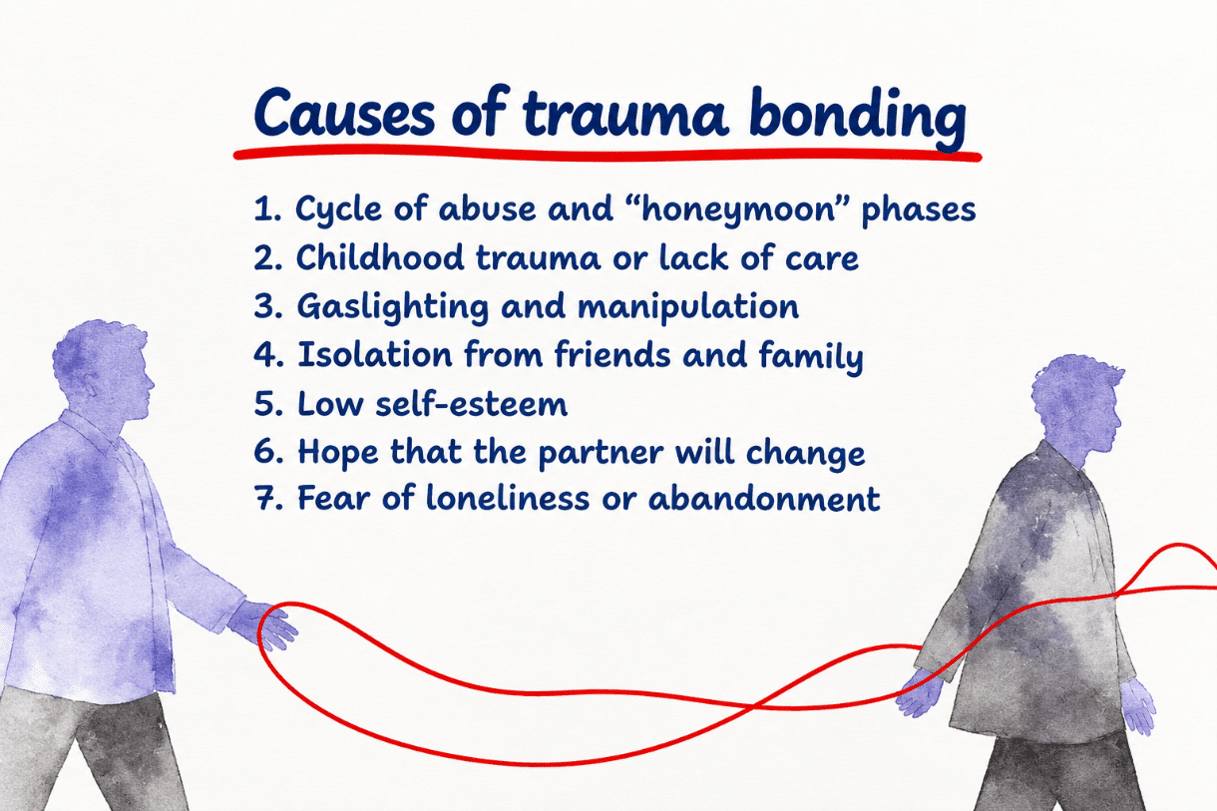
Limerence and trauma bonding can sometimes appear similar, but they are not the same experience. Limerence involves intense romantic preoccupation, longing and a desire for reciprocation. It can occur even when there has never been a relationship. Trauma bonding refers to an emotional attachment that can develop within an abusive or coercive relationship, often involving cycles of harm, fear, reconciliation and intermittent affection.
Someone may experience limerence without having experienced abuse, and someone experiencing trauma bonding may not be limerent. However, both experiences can involve difficulty letting go of a relationship that is causing distress. In some circumstances, a person may experience elements of both. For example, someone who has experienced an emotionally abusive relationship may remain intensely focused on their former partner, longing for the loving behaviour they occasionally experienced. Understanding the difference can help identify the type of support needed.
Where domestic violence, coercive control or intimidation is present, safety planning and trauma-informed support are especially important. Simply advising someone to stop contacting the other person may not be safe or practical.
You can also explore my Compass Counselling blog on Understanding Trauma Bonding, which discusses why harmful relationships can be so difficult to leave and how recovery can begin.
How to Overcome Limerence: 10 Practical Steps
Overcoming limerence is not simply about forcing yourself to stop thinking about someone. In fact, trying to suppress unwanted thoughts can sometimes make them feel more intrusive. Instead, recovery often involves gradually changing the behaviours, beliefs and emotional patterns that maintain the preoccupation.
Research specifically investigating treatment for limerence remains limited. However, a published case study by Wyant (2021) reported improvements using cognitive behavioural techniques, including reducing compulsive behaviours, challenging unhelpful beliefs and increasing meaningful activities. This is promising but does not yet establish a universally effective treatment.
Step 1: Recognise and Name What You’re Experiencing
Awareness is an important starting point. Instead of automatically interpreting every intense feeling as evidence that someone is your soulmate, begin noticing the patterns. Ask yourself:
- Am I constantly thinking about this person?
- Is my emotional wellbeing dependent on their attention?
- Am I ignoring behaviour that would normally concern me?
- Am I attached to who they really are or who I hope they might become?
- Is this connection helping me feel secure, or is it creating ongoing anxiety?
You don’t need to judge yourself for your answers. Recognising a pattern gives you an opportunity to respond differently.
Step 2: Reduce Contact and Stop Reinforcing the Cycle
One of the most useful changes can be reducing the behaviours that continually reinforce the attachment. Depending on your circumstances, this might involve:
- Muting or unfollowing the person’s social media.
- Avoiding repeatedly checking whether they’re online.
- Stopping yourself from rereading old messages.
- Putting away photographs or reminders that trigger rumination.
- Avoiding unnecessary contact.
- Creating clear boundaries around communication.
For some people, a period of no contact may be helpful. However, this isn’t always possible or appropriate, particularly when you share children, work together or have other unavoidable responsibilities. In these circumstances, limited, respectful and practical communication may be more realistic. If contact is necessary, try to keep it focused on the relevant responsibilities rather than seeking emotional reassurance. If you notice an urge to check their social media, experiment with delaying that action for ten minutes. During that time, do something that supports your wellbeing. You are gradually teaching yourself that an uncomfortable feeling does not always require an immediate response.
Step 3: Separate Fantasy From Reality
Limerence can become particularly powerful when we focus on what a relationship could be rather than what it actually is. Try dividing a page into two columns.
What I imagine or hope | What I actually know |
They are my soulmate. | We have only spent limited time together. |
They must have feelings for me. | Their communication is inconsistent. |
We could have an amazing future. | We haven’t discussed a future together. |
They are the only person who understands me. | I have other people who care about me. |
I’ll never feel this way again. | I cannot predict my future relationships. |
This exercise isn’t about convincing yourself that the other person is bad. It’s about developing a more balanced understanding of the situation. You can appreciate someone’s positive qualities while recognising that they may not be emotionally available, compatible or interested in the same relationship.
Step 4: Identify the Emotional Need Beneath the Attachment
Rather than focusing exclusively on the person, begin exploring what the attachment may represent. Ask yourself: What do I believe this person would give me if they loved me? Perhaps the answer is:
- I would finally feel good enough.
- I would feel wanted.
- I wouldn’t feel lonely.
- I would feel safe.
- I would feel important.
- I would believe that I was lovable.
Now consider, how could I begin meeting some of these needs without depending on this person’s attention? For example, if the attachment is connected with wanting to feel valued, you might explore activities, relationships and personal achievements that strengthen your self-worth. If loneliness is a major factor, rebuilding supportive friendships and meaningful social connections may be particularly important. The goal is not to eliminate your need for connection. Human connection is important. The goal is to create a life in which your emotional wellbeing does not depend entirely on one person’s response.
Step 5: Understand Your Attachment Patterns
Reflect on your previous relationships.
- Have you experienced similar patterns before?
- Do you frequently become attracted to emotionally unavailable people?
- Do you feel anxious when someone becomes distant?
- Do you sometimes interpret rejection as evidence that you’re not good enough?
These patterns may be worth exploring through counselling. Understanding your relationship history can help you recognise emotional triggers and develop healthier ways of responding. It can also help you distinguish between genuine relationship difficulties and fears that may be influenced by previous experiences.
Step 6: Learn to Manage Intrusive Thoughts
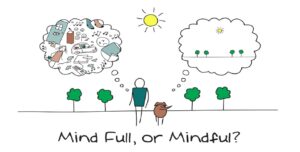
One of the most frustrating aspects of limerence is feeling unable to control your thoughts. You might wake up thinking about the person and find that they’re still on your mind when you go to sleep. Rather than fighting every thought, practise noticing it without automatically engaging with it. For example:
- I’m noticing that I’m thinking about this person again.
- This is a familiar pattern.
- I don’t need to analyse this thought or act on it.
- I can gently return my attention to what I’m doing.
Mindfulness can be particularly helpful for practising this skill. You might also try a simple grounding exercise:
- Place both feet on the floor.
- Take a slow, comfortable breath.
- Notice five things you can see.
- Notice four things you can physically feel.
- Notice three things you can hear.
- Bring your attention back to the present moment.
The aim isn’t to make the thoughts disappear instantly. It’s to gradually reduce the amount of attention and emotional energy you give them.
Step 7: Rebuild Your Own Identity and Interests
During limerence, it’s easy for another person to become the centre of your emotional world. You may stop doing things you previously enjoyed or lose motivation for activities that don’t involve them. Rebuilding your own life is an important part of recovery. Consider reconnecting with:
- Friends and family.
- Creative activities.
- Exercise or gentle movement.
- Personal and professional goals.
- Hobbies and interests.
- Learning something new.
- Volunteering or community activities.
- Spiritual or mindfulness practices.
Choose activities that feel meaningful to you, rather than simply trying to distract yourself. Over time, these experiences can help strengthen your sense of identity and independence.
Step 8: Practise Self-Compassion Rather Than Self-Criticism
People experiencing limerence sometimes feel embarrassed or ashamed. They may tell themselves:
- I should know better.
- Why can’t I just move on?
- What’s wrong with me?
Unfortunately, harsh self-criticism can increase emotional distress. Instead, try responding with compassion. You might say:
- I’m experiencing a difficult emotional attachment, but I can learn to respond differently.
- My feelings are real, even if the relationship I’ve imagined isn’t.
- I deserve a relationship where affection, respect and commitment are mutual.
- I can care about someone and still choose what is healthy for me.
Self-compassion doesn’t mean excusing harmful behaviour or avoiding responsibility. It means approaching yourself with understanding while making choices that support your wellbeing.
Step 9: Strengthen Your Boundaries
Healthy boundaries help us recognise what we are and aren’t willing to accept in relationships. For example, you may decide:
- I won’t repeatedly pursue someone who has clearly expressed that they’re not interested.
- I won’t compromise my values to gain someone’s approval.
- I won’t remain in situations where I’m continually disrespected.
- I will respect another person’s right to say no.
- I will make decisions based on someone’s consistent behaviour rather than occasional promises.
Boundaries aren’t about controlling someone else’s behaviour. They’re about deciding how you will respond and what you need to protect your own wellbeing. If you find setting boundaries difficult, Compass Counselling also has a free Boundaries Workbook exploring internal and external boundaries.
Step 10: Seek Support When Needed
For some people, limerence gradually reduces as circumstances change and new connections develop. For others, the preoccupation can persist and significantly affect everyday life. Professional support may be beneficial if you’re experiencing:
- Persistent intrusive thoughts.
- Anxiety or depressive symptoms.
- Difficulty sleeping or concentrating.
- Repeated patterns of unhealthy attachment.
- Significant distress following rejection.
- Difficulty maintaining boundaries.
- Compulsive checking or reassurance-seeking behaviours.
Counselling can help you explore the thoughts, emotions and relationship patterns contributing to your distress. Cognitive behavioural approaches may be particularly useful when repetitive thoughts and checking behaviours are prominent. Where appropriate, a qualified clinician can also assess whether anxiety, obsessive-compulsive symptoms or other concerns require specific treatment. Remember that recovery doesn’t necessarily mean you never think about the person again. It means gradually reaching a place where those thoughts no longer control your decisions, emotional wellbeing or sense of self.
Can Limerence Be Connected to Low Self-Worth?
Sometimes, limerence can become closely connected with how we see ourselves. If you believe that being chosen by a particular person would finally prove you’re lovable, attractive or worthy, their attention may take on enormous emotional significance. Rejection may then feel like more than the loss of a possible relationship. It may feel like confirmation of your deepest insecurities. This is why developing self-worth independently of romantic validation can be such an important part of recovery.
You might begin by exploring these questions:
- What do I believe about myself when someone rejects me?
- Do I feel that I need another person’s approval to be good enough?
- What positive qualities do I bring to a relationship?
- How do I treat myself when I feel unwanted?
- What would change if I genuinely believed I deserved consistent love and respect?
Developing self-worth is often a gradual process. It may involve challenging long-held beliefs, learning to recognise your strengths and becoming more comfortable meeting your own emotional needs. Your worth does not increase when someone chooses you, and it does not decrease when someone doesn’t.
Can Energy Healing Help With Limerence?
At Compass Counselling, I take a holistic approach that considers the emotional, psychological, physical and spiritual aspects of wellbeing. For people who are interested in complementary approaches, practices such as Emotion Code, Body Code, intuitive healing, chakra clearing, meditation and visualisation may provide opportunities for reflection, relaxation and exploring emotional experiences. Within energy healing traditions, difficult emotions are sometimes described as trapped emotions or energetic blockages.
For example, a person working through limerence may choose to focus on intentions associated with the heart chakra, such as self-love, compassion and emotional acceptance. They may also use visualisation to imagine a future in which they feel emotionally independent, confident and secure. The focus is on helping the person reconnect with their own needs, values and sense of personal power.
How Compass Counselling Can Support You
At Compass Counselling, I support people who are experiencing relationship difficulties, emotional overwhelm, grief, trauma, low self-esteem and feeling stuck in patterns that are difficult to change. As a qualified Social Worker and Counsellor, I provide a compassionate, non-judgmental space where we can explore your experiences and identify approaches that suit your individual needs. Depending on your circumstances and preferences, sessions may include counselling, exploring attachment and relationship patterns, developing boundaries, mindfulness, self-compassion and practical strategies for managing intrusive thoughts.
For people interested in a holistic approach, complementary intuitive and energy healing practices may also be incorporated where appropriate. My aim is to help you better understand what’s keeping you stuck, reconnect with your body and emotions, reclaim your personal power and freedom, and feel more in control of your wellbeing and future. You don’t need to navigate these experiences alone.
Contact Compass Counselling
Michele Chaseling — Social Worker, Counsellor & Intuitive Healing Practitioner
Website: www.compasscounselling.com.au
Email: michele@compasscounselling.com.au
Phone: 0412 211 295
In-person appointments: Erindale Chambers, Unit 1/5 Grattan Court, Wanniassa ACT
Online appointments are also available. Book an Appointment
References and Further Reading
Aron, A., Fisher, H., Mashek, D. J., Strong, G., Li, H., & Brown, L. L. (2005). Reward, motivation, and emotion systems associated with early-stage intense romantic love. Journal of Neurophysiology, 94(1), 327–337. https://doi.org/10.1152/jn.00838.2004
Carswell, K. L., & Impett, E. A. (2021). What fuels passion? An integrative review of competing theories of romantic passion. Social and Personality Psychology Compass. https://doi.org/10.1111/spc3.12629
Fisher, H. E., Aron, A., & Brown, L. L. (2005). Romantic love: An fMRI study of a neural mechanism for mate choice. The Journal of Comparative Neurology, 493(1), 58–62. https://doi.org/10.1002/cne.20772
Fisher, H. E., Brown, L. L., Aron, A., Strong, G., & Mashek, D. (2010). Reward, addiction, and emotion regulation systems associated with rejection in love. Journal of Neurophysiology, 104(1), 51–60. https://doi.org/10.1152/jn.00784.2009
Marshall, L., Waldeck, D., Pancani, L., Churchill, S., & Tyndall, I. (2025). Development and validation of the Limerence Questionnaire (LQ-11). Psychological Reports. https://doi.org/10.1177/00332941251394980
Tennov, D. (1979). Love and limerence: The experience of being in love. Stein and Day.
Wyant, B. E. (2021). Treatment of limerence using a cognitive behavioral approach: A case study. Journal of Patient Experience, 8. https://doi.org/10.1177/23743735211060812
Disclaimer: This article is intended for general education and wellbeing information. It is not a substitute for individual mental health assessment, diagnosis or treatment. Experiences of limerence vary, and the research into its causes and treatment is still developing.
Compass Counselling — Heal • Reconnect • Move Forward